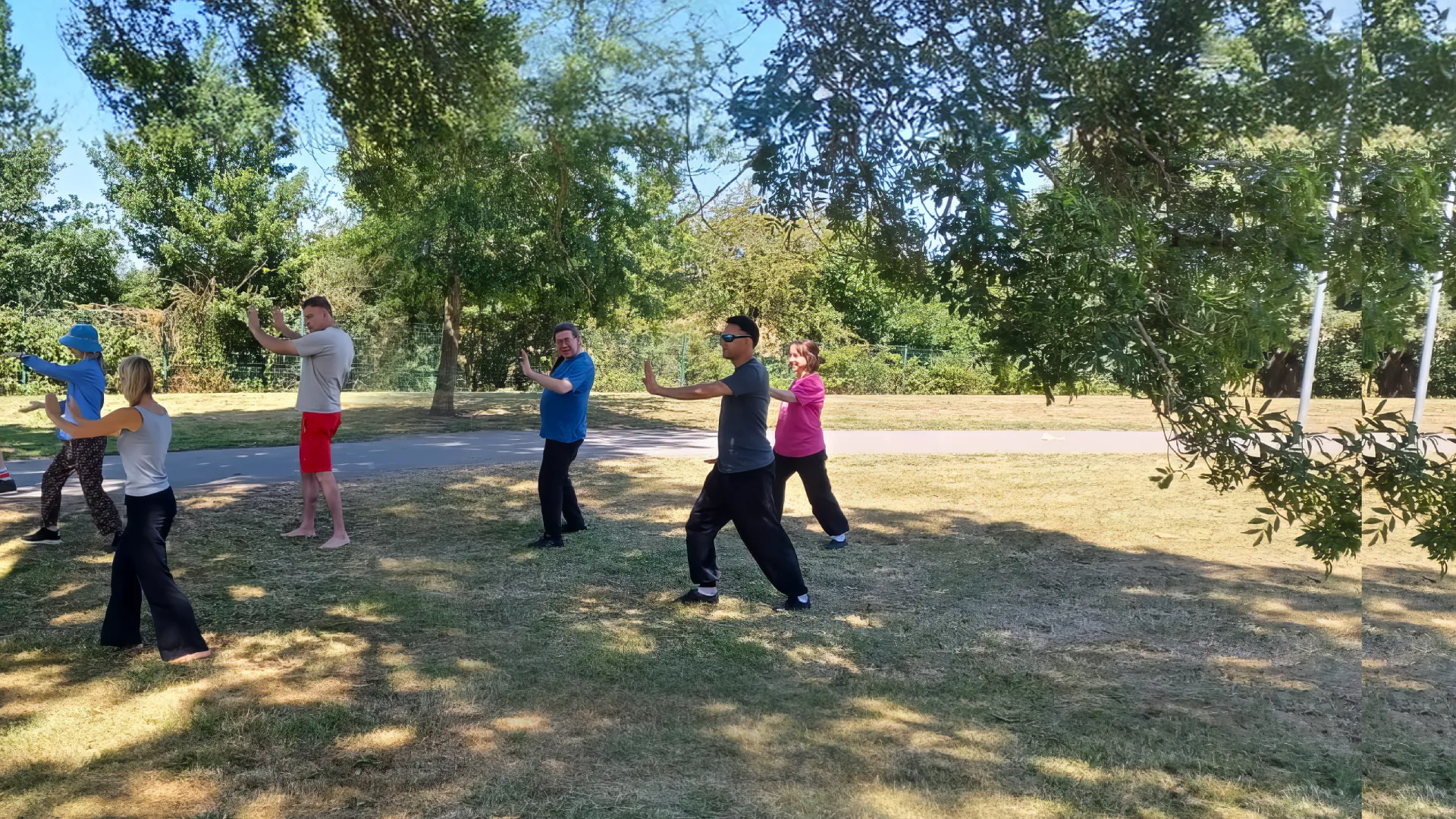
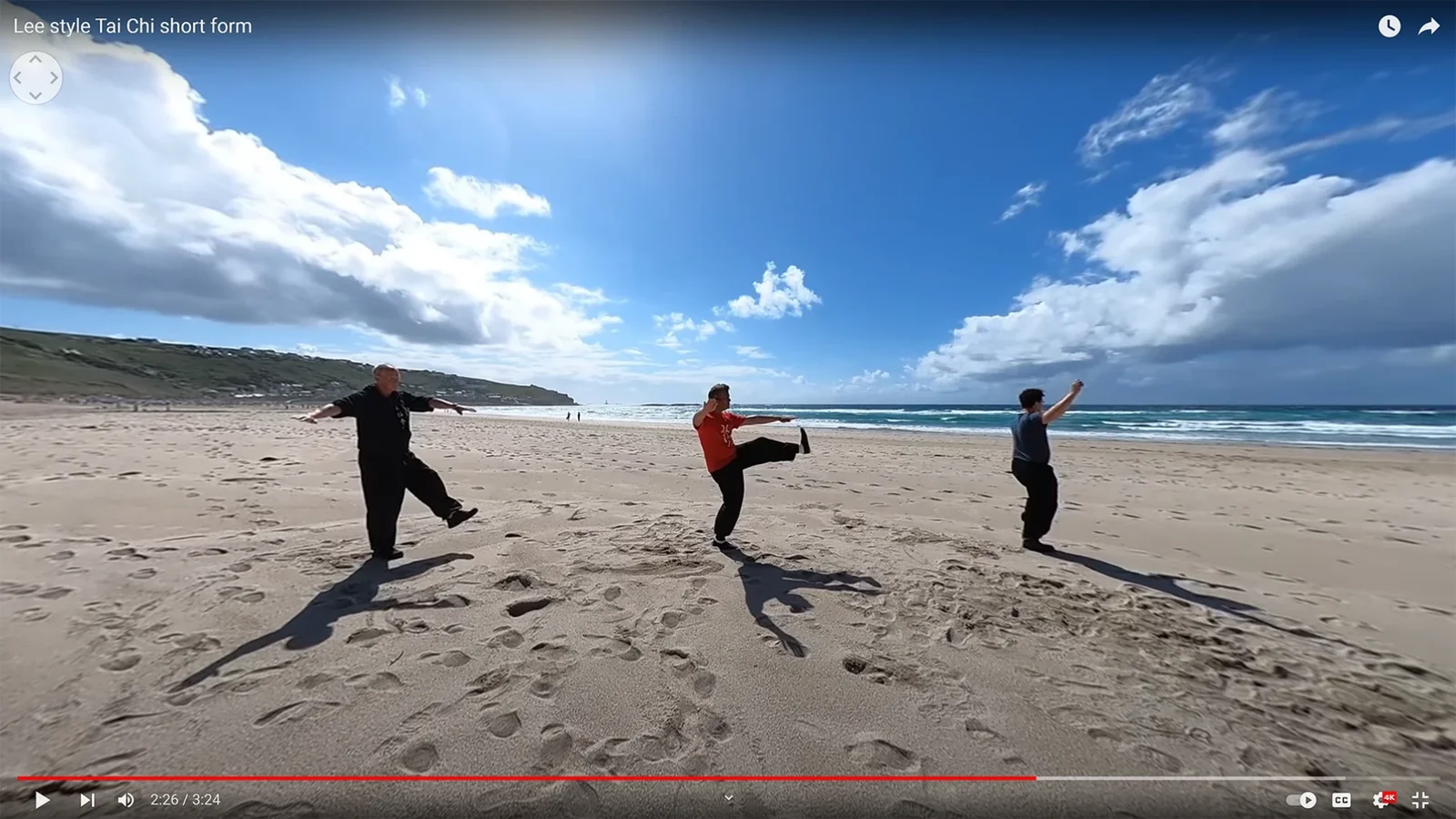
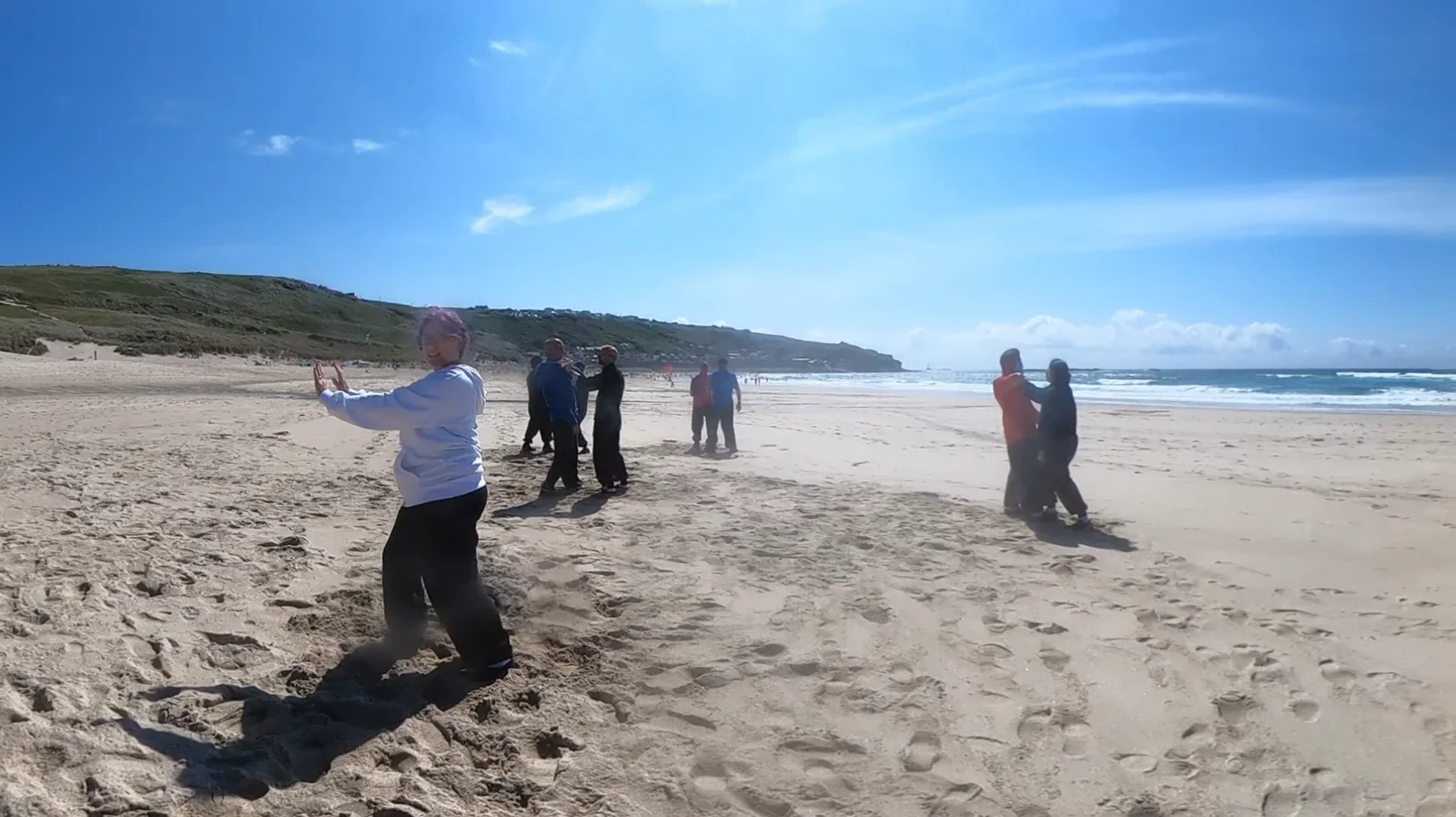
Tai Chi on the beach, a proven antidote for stress
In recent years, Tai Chi has become an increasingly popular form of exercise worldwide, and for good reason. This ancient Chinese practice has been linked to a range of health benefits, including stress reduction, better sleep and relaxation. In this blog post, we look at the research behind these benefits and link to the peer-reviewed studies so you can read them yourself.
What Is Tai Chi?
Tai Chi, also known as Tai Chi Chuan, is a traditional Chinese martial art that involves slow, fluid movements and deep breathing. It was originally developed as a form of self-defense, but over time, it has evolved into a form of exercise that is practiced for health and wellness purposes. Tai Chi is often described as a moving meditation, as it requires focus and concentration to perform the movements correctly.
Tai Chi For Stress Reduction And Relaxation
Stress is a common problem in today’s fast-paced world. It can lead to a variety of physical and mental health problems, including anxiety, depression, and cardiovascular disease. Tai Chi may be a helpful way to reduce stress and promote relaxation, making it a valuable tool for maintaining overall health and wellbeing.
A review of 40 studies with nearly 3,800 participants found that Tai Chi was associated with better stress management, less anxiety and less depression. The authors note that the evidence is limited by differences in study design, and they call for longer, higher-quality trials.1
The calming effects of Tai Chi may be due in part to its focus on deep breathing and relaxation techniques. When we are stressed, our breathing becomes shallow and rapid, which can increase feelings of anxiety and tension. By practicing deep breathing and relaxation techniques, Tai Chi can help to counteract these effects and promote a sense of calm and relaxation.
Tai Chi For Physical Health
In addition to its mental health benefits, Tai Chi has been linked to a number of physical health benefits. These include better sleep, improved balance, flexibility and heart and lung function, stronger bones and less pain in some long-term conditions.
Tai Chi is a moderate-intensity exercise. A review of 31 studies found it was linked to better heart and lung function and muscle function in a range of groups. It was also linked to better posture control and fewer falls in older adults, and the authors concluded it may improve flexibility and balance.2 In a Hong Kong trial of people with chronic obstructive pulmonary disease (COPD), a health qigong programme (a gentle, related practice) improved functional capacity at six months in a per-protocol analysis.3
Better Sleep
In a randomized trial of 118 adults aged 60 to 92 with moderate sleep complaints, 24 weeks of Tai Chi improved sleep quality more than a low-impact exercise group. Tai Chi participants fell asleep about 18 minutes faster, slept about 48 minutes longer each night, and reported less daytime sleepiness.4
Strong Bones And Confidence Against Falls
Falls are a common problem among older adults, and they can lead to serious injuries such as hip fractures. In a randomized study of women with knee osteoarthritis, six months of Tai Chi increased bone mineral density at the hip, improved knee muscle endurance and reduced fear of falling, while the control group showed slight bone loss. The authors caution that the study was small and needs confirming with longer follow-up.5
Pain And Long-Term Conditions
In a randomized trial in Boston, 66 people with fibromyalgia did either Tai Chi or a wellness education and stretching programme. After 12 weeks of Tai Chi, twice a week, symptoms, sleep, mood and quality of life improved significantly more than in the control group, and the benefits were still present at 24 weeks. No adverse events were reported.6
Conclusion
In conclusion, Tai Chi is a valuable tool for promoting both physical and mental health. Its slow, fluid movements and deep breathing techniques make it a promising way to reduce stress and promote relaxation. Research also links it to better sleep, balance and flexibility, stronger bones and less fear of falling, and to symptom relief in conditions such as fibromyalgia. If you are looking for a low-impact exercise that is beneficial for both your physical and mental health, Tai Chi may be a great option for you.
It’s important to note that while Tai Chi is generally considered safe for most people, it’s always a good idea to check with your doctor before starting a new exercise program, especially if you have any pre-existing health conditions or concerns.
References:
- Wang C, Bannuru R, Ramel J, Kupelnick B, Scott T, Schmid CH. Tai Chi on psychological well-being: systematic review and meta-analysis. BMC Complement Altern Med. 2010;10:23. Read online
- Li JX, Hong Y, Chan KM. Tai chi: physiological characteristics and beneficial effects on health. Br J Sports Med. 2001;35(3):148-56. Read online
- Ng BHP, Tsang HWH, Jones AYM, So CT, Mok TYW. Functional and psychosocial effects of health qigong in patients with COPD: a randomized controlled trial. J Altern Complement Med. 2011;17(3):243-51. Read online
- Li F, Fisher KJ, Harmer P, Irbe D, Tearse RG, Weimer C. Tai chi and self-rated quality of sleep and daytime sleepiness in older adults: a randomized controlled trial. J Am Geriatr Soc. 2004;52(6):892-900. Read online
- Song R, Roberts BL, Lee EO, Lam P, Bae SC. A randomized study of the effects of t’ai chi on muscle strength, bone mineral density, and fear of falling in women with osteoarthritis. J Altern Complement Med. 2010;16(3):227-33. Read online
- Wang C, Schmid CH, Rones R, Kalish R, Yinh J, Goldenberg DL, et al. A randomized trial of tai chi for fibromyalgia. N Engl J Med. 2010;363(8):743-54. Read online