We are holding the final course of this term at the LeamingtonClub run by Richard Gaston.
At North Leamington School Gym
Sandy Lane , Blackdown, Leamington Spa CV32 6RD
We are hosting this weekend to introduce you to more Tai chi and the Kung Fu Hand of the Wind Feng Shou training which we see as an integral part of your training.
If you haven’t tried it yet you are missing out as it develops parts of you you didn’t know you had. This training awakens the dormant part of you which is waiting to be used.
We are holding this Day of T’ai Chi to celebrate the Chinese New Year The year of the Fire Horse
We are holding it at the Coventry Club run by Martin Mellett and beginners and members of other clubs are very welcome
SaturdayFebruary 21st 10 a.m to 4 p.m
At Caludon Castle Sports Centre
Axholme Rd , Coventry , CV2 5BD
If you want to attend just sign up on the website or come along and try a Day of T’ai Chi.
Please book in and see you there. If you want to become a member before the course let your teacher know or sign up here and we can make you a membership card .
We are holding this Day of T’ai Chi to celebrate the Chinese New Year The year of the Fire Horse
We are holding it at the Coventry Club run by Martin Mellett and beginners and members of other clubs are very welcome
SaturdayFebruary 21st 10 a.m to 4 p.m
At Caludon Castle Sports Centre
Axholme Rd , Coventry , CV2 5BD
If you want to attend just sign up on the website or come along and try a Day of T’ai Chi.
Please book in and see you there. If you want to become a member before the course let your teacher know or sign up here and we can make you a membership card .
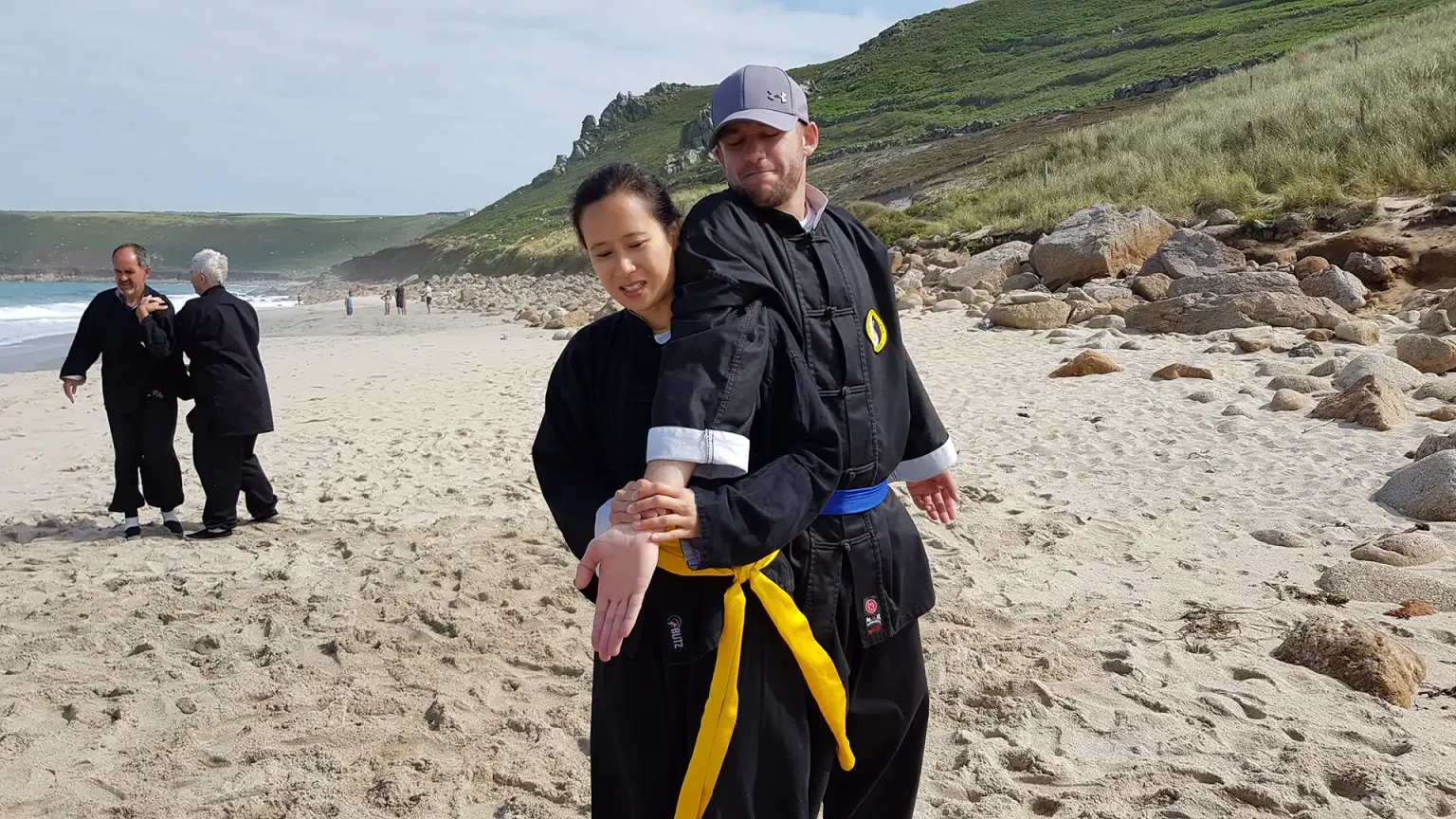
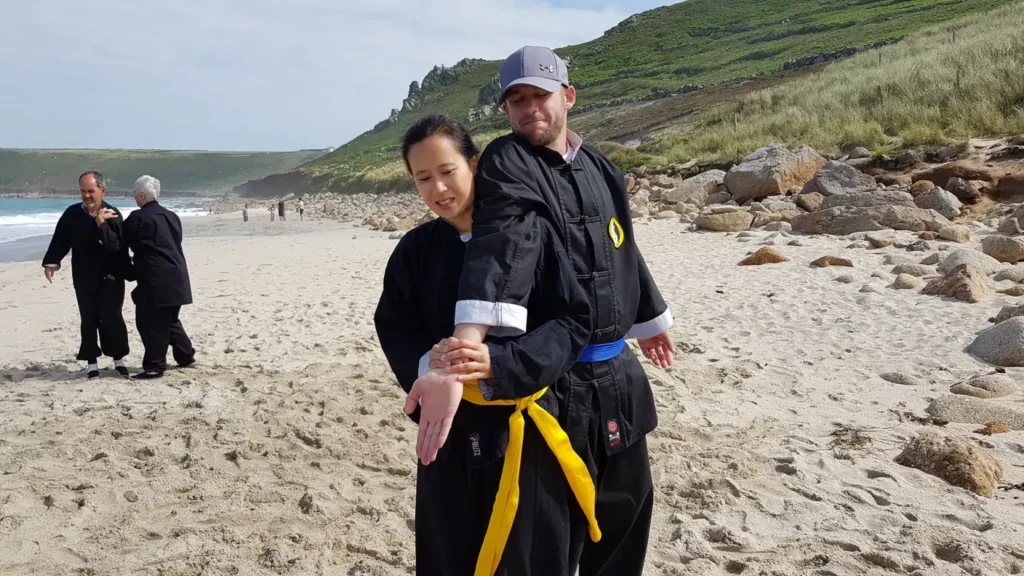
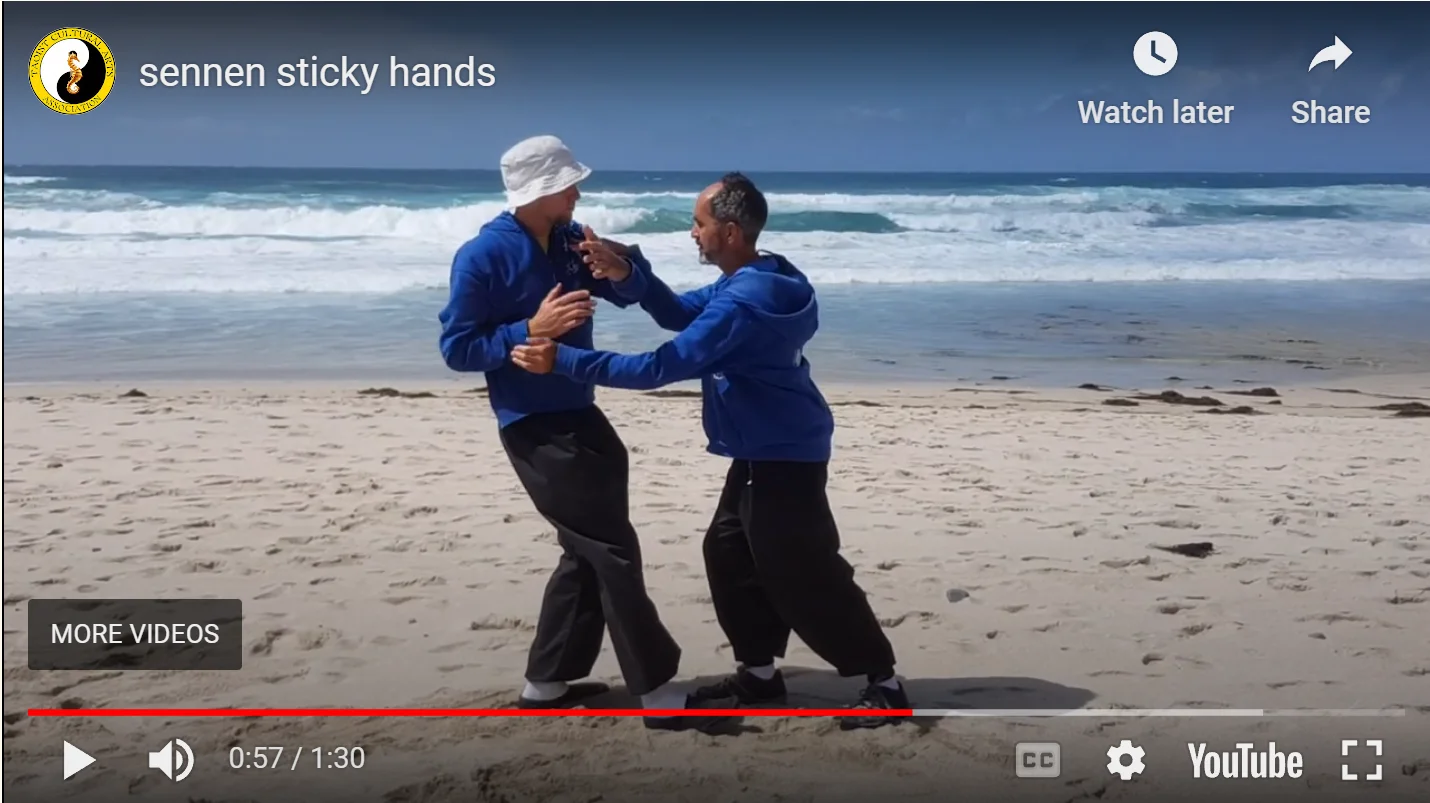
Sticky Hands, also known as Yīfù shǒu (依附手) is a fundamental exercise in Lee Style Tai Chi that is taught to beginners as a way to introduce them to the principles of Tai Chi and to prepare them for more advanced techniques. While some may see Sticky Hands as a simple exercise, it is actually a complex and multifaceted practice that offers a range of benefits for practitioners.
Developing sensitivity
One of the main aspects of Sticky Hands is the cultivation of sensitivity and connection with one’s partner. In the exercise, two practitioners stand facing each other and place their hands on each other’s forearms. They then begin to move their arms and bodies in unison, following each other’s movements and trying to maintain a constant connection. This requires a high level of sensitivity to the partner’s movements and intentions and helps to develop the ability to read and respond to subtle changes in body position and energy.
Cultivating Qi
Another aspect of Sticky Hands is the development of internal energy or qi. By maintaining a constant connection with their partner, practitioners learn to circulate their energy and to use it to guide and control their partner’s movements. This involves the use of spiraling movements, which help to increase the flow of energy through the body and to connect the upper and lower body.
Learning to sense timing
Sticky Hands also emphasizes the importance of timing and rhythm in Tai Chi. Practitioners must learn to move in sync with their partner, to maintain a constant flow of movement, and to execute techniques at the right moment. This requires a high level of concentration and focus, and helps to develop a sense of timing and rhythm that can be applied to other aspects of Tai Chi practice.
The psychological aspect
In addition to these physical aspects, Sticky Hands also has a number of mental and emotional benefits. The exercise requires practitioners to be present and focused, to let go of distracting thoughts and emotions, and to remain calm and centered even in the face of challenge or resistance from their partner. This level of mindfulness and emotional control can be applied to many different aspects of life, including work, relationships, and personal growth.
Overall, Sticky Hands is a foundational practice in Lee Style Tai Chi that offers a range of benefits for both beginners and more advanced practitioners. By developing sensitivity, connection, internal energy, timing, and emotional control, practitioners can gain a deeper understanding of themselves and their interactions with others, both in the context of Tai Chi and in daily life. As such, it is an essential part of a holistic Tai Chi practice that emphasizes both solo and partner work as equally important in line with the Taoist principle of yin-yang balance.
Principles of Sticky Hands
Yielding: The first principle of sticky hands is yielding. Yielding means allowing your partner’s energy to flow into you without resisting or pushing back. When your partner pushes, you soften your joints and move with the push, rather than against it. Yielding is like bending like a tree in the wind instead of resisting and breaking.
Listening: The second principle of sticky hands is listening. Listening means paying attention to your partner’s movements and responding accordingly. When your partner moves, you move with them, like a dance. Listening is like being a detective, trying to read your partner’s intentions and movements.
Sticking: The third principle of sticky hands is sticking. Sticking means maintaining contact with your partner and keeping your connection. When your partner moves, you follow them with your hands and body, maintaining the connection. Sticking is like two magnets, attracting and repelling each other while staying connected.
Neutralizing: The fourth principle of sticky hands is neutralizing. Neutralizing means redirecting your partner’s energy away from you. When your partner pushes, you redirect their energy away from you and towards the ground. Neutralizing is like using your partner’s energy against them, like a judo master.
Rooting: The fifth principle of sticky hands is rooting. Rooting means being grounded and stable. When you are rooted, you are like a tree with deep roots, unmovable and strong. Rooting is like being an anchor, providing stability and balance to your partner.
How Sticky Hands Can Improve Your Tai Chi Practice
Sticky Hands is an essential part of Tai Chi practice. It can help you develop sensitivity, awareness, and adaptability. By practicing sticky hands, you can improve your Tai Chi practice in the following ways:
Develop Sensitivity: Sticky hands can help you develop sensitivity to your partner’s movements. By listening to your partner’s movements, you can learn to anticipate their intentions and respond accordingly. This sensitivity can be applied to your solo Tai Chi practice, helping you become more aware of your own movements and how they affect your body.
Improve Balance: Sticky hands can help you improve your balance by teaching you to root and maintain your stability. By staying rooted and balanced, you can avoid being pushed off balance by your partner’s movements. This balance can be applied to your solo Tai Chi practice, helping you maintain your balance and stability while performing the movements.
Increase Flexibility: Sticky hands can help you increase your flexibility by teaching you to yield to your partner’s movements. By softening your joints and moving with your partner, you can improve your flexibility and range of motion. This flexibility can be applied to your solo Tai Chi practice, helping you perform the movements with more fluidity and grace.
Reduce Stress: Sticky hands can help you reduce stress by teaching you to relax and let go of tension. By yielding to your partner’s movements and focusing on your breath, you can release tension and reduce stress. This relaxation can be applied to your solo Tai Chi practice, helping you achieve a state of calm and relaxation.
Enhance Martial Applications: Sticky hands is not just a partner exercise, it also has martial applications. By practicing sticky hands, you can develop skills that can be applied in self-defense situations. Sticky hands can teach you how to redirect your opponent’s energy, neutralize their attacks, and maintain your balance and stability. These skills can be applied to your solo Tai Chi practice, helping you develop a deeper understanding of the martial applications of Tai Chi.
While Tai Chi is a serious practice, it doesn’t have to be boring. In fact, Tai Chi can be quite humorous, especially when practicing sticky hands with a partner. Here are a few examples of the humour that can be found in sticky hands:
The Wobbly Partner: We’ve all had a partner who is less stable than a Jenga tower. When practicing sticky hands with a wobbly partner, it can be challenging to maintain your balance and stability. However, it can also be quite comical, especially when both partners are trying to regain their balance at the same time.
The Overly Aggressive Partner: On the other end of the spectrum, we have the overly aggressive partner who is determined to push you across the room. When practicing sticky hands with an aggressive partner, it can be tempting to resist and push back. However, this is the opposite of what sticky hands is all about. Instead, try yielding and redirecting their energy. If all else fails, a well-timed tickle attack can always diffuse the tension.
The Distracted Partner: We’ve all had a partner who is easily distracted. Maybe they’re checking their phone, or maybe they’re daydreaming about their lunch. When practicing sticky hands with a distracted partner, it can be challenging to maintain their focus. However, it can also be an opportunity to practice your skills of sensitivity and adaptability. Try gently redirecting their attention back to the exercise, or use their distraction as an opportunity to practice your neutralizing skills.
In conclusion, Sticky Hands is an essential part of Tai Chi practice. By practicing Sticky Hands, you can develop sensitivity, awareness, and adaptability. It can also help you improve your balance, flexibility, and reduce stress. And let’s not forget the humour that can be found in practicing sticky hands with a partner. So, if you’re looking to improve your Tai Chi practice and add a bit of laughter to your life, give sticky hands a try. Who knows, you might just find yourself hooked on Tai Chi for life!
In our fast-paced world, maintaining a sharp and vibrant memory is a top priority for many. As we age, our cognitive abilities often experience a natural decline, leading to memory issues and other cognitive challenges. Tai Chi, an ancient Chinese martial art, offers a unique approach to enhancing memory and cognitive function. In this blog post, we will delve into the fascinating connection between Tai Chi and memory, exploring its roots in Chinese medicine and the flow of qi, as well as the concept of jing and its links to memory. We will also discuss a recent study that supports the benefits of Tai Chi for memory enhancement.
Tai Chi and Chinese Medicine
Tai Chi is deeply rooted in Chinese medicine, a holistic system of healthcare that dates back thousands of years. Central to the philosophy of Chinese medicine is the concept of qi, or life force. Qi flows through the body along energy pathways called meridians, and any disruption in this flow can lead to physical and mental imbalances.
Tai Chi, or “meditation in motion,” is designed to enhance the flow of qi throughout the body. The slow, graceful movements of Tai Chi help to unblock any energy stagnation, allowing for a smoother and more harmonious flow of qi. This, in turn, supports overall health, including cognitive function and memory.
Qi and Memory
Chinese medicine suggests that a balanced and abundant flow of qi contributes to optimal cognitive function. When the flow of qi is smooth and unrestricted, it nourishes the brain and improves its functioning. This nourishment is vital for memory retention and recall.
A study conducted by the University of Maryland Medical School, published in the Annals of Internal Medicine, examined the effects of Tai Chi on cognitive function and memory in adults. The study involved participants who practiced Tai Chi regularly over a period of 6 months. The results demonstrated significant improvements in memory and cognitive performance among the Tai Chi practitioners compared to the control group.
Jing and the Water Element
In addition to the concept of qi, Chinese medicine also places great importance on the notion of “jing,” which is often associated with the water element. Jing is considered the essence of life and is closely linked to memory and cognitive functions. In Chinese medicine, the kidneys are believed to be the storage reservoirs of jing, and their health is paramount for memory preservation.
The slow, flowing movements of Tai Chi are said to support the kidneys and maintain the balance of jing, ultimately contributing to improved memory and cognitive function. Just as water nourishes the earth, Tai Chi nourishes the kidneys, ensuring they continue to store and release jing effectively.
The Study
The study conducted by the University of Maryland Medical School supported the Chinese medicine principles of jing and the water element. The findings revealed that Tai Chi not only enhanced memory but also showed a positive impact on kidney function, indirectly linking it to the preservation of jing. https://www.acpjournals.org/doi/10.7326/M23-1603
Conclusion
Tai Chi, deeply rooted in Chinese medicine, is a holistic practice that enhances the flow of qi and supports the balance of jing, the essence of life. This ancient art form has been shown to have a positive impact on memory and cognitive function, as demonstrated in the University of Maryland Medical School study. If you’re looking to sharpen your memory, improve cognitive function, and embrace a healthier lifestyle, Tai Chi may be the perfect solution. Join our Tai Chi society and experience the benefits for yourself. By engaging in this beautiful practice, you’ll not only connect with the wisdom of Chinese medicine but also nurture your body, mind, and memory for years to come.
Chris and James from the Cornwall Tai Chi clubs were interviewed by Tiffany Truscott for BBC Radio Cornwall at their Truro studios last night. They were talking about Tai Chi and how they came into it and the role it has taken on in their lives as students and teachers.
Chris first started Tai Chi in Leamington Spa at Chee Soo’s class when he was a Philosophy undergraduate at Warwick University. He opened his first club there for the University of Warwick students union which went on to become a popular club for many years. Students from this club went on to set up clubs in their own towns after leaving Warwick. Chris also taught in Leamington Spa, Coventry, Birmingham, and Stratford-upon-Avon. When he moved down to Cornwall in 2010 he taught in Penzance, Heartlands, St Just, St Ives, Helston, and Falmouth.
James took up Tai Chi after a traumatic road accident as a way to aid his recovery. Now he has his own class in his hometown of St Agnes in Cornwall.
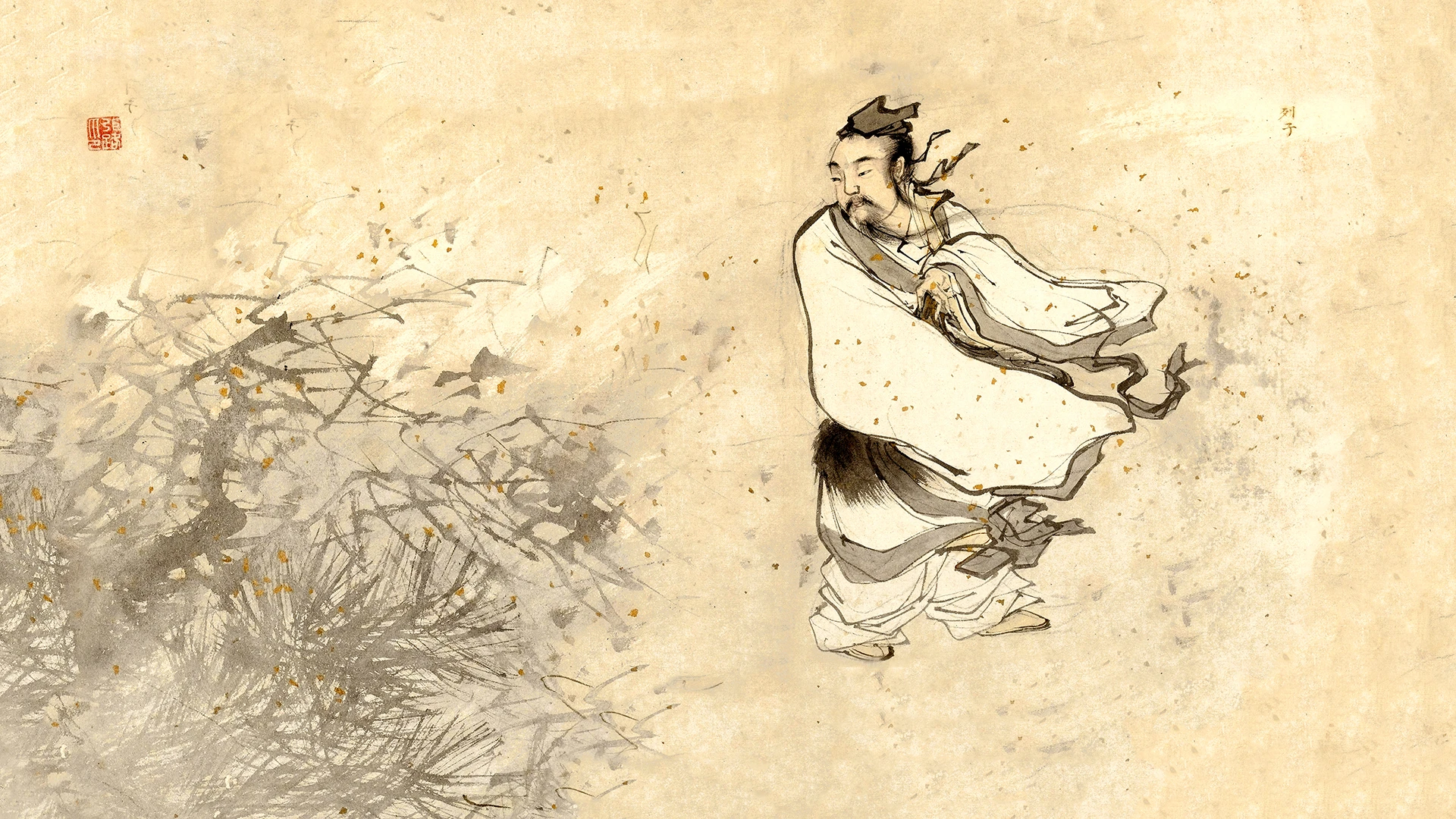
Wuwei (无为) often translated as “non-action,” is a fundamental concept in Taoist philosophy and has an important role in the practice of Tai Chi. While it may sound like doing nothing, wuwei is actually a way of acting without forcing or interfering with natural processes. In this blog post, we will explore the concept of wuwei and its significance in Tai Chi, drawing on the works of ancient Taoist philosophers such as Liezi, Zhuangzi, and Laozi.
The paradox of doing by non-doing
At its core, wuwei is about letting go of our ego and allowing things to unfold naturally, without our intervention. It involves being in a state of awareness, so we can respond to situations appropriately without creating resistance or conflict. It’s not about being passive, but rather actively engaging with the world around us in a way that is aligned with the flow of nature.
According to Taoist philosophy, all things arise from the Tao, or the Way, which is the ultimate reality that transcends all dualities. The Tao is not something that can be described in words, but rather something that can be experienced through direct intuition. It is the source of all life and the underlying order of the universe. To live in harmony with the Tao, we must let go of our desires, judgments, and attachments, and allow ourselves to be guided by the natural order of things.
Wuwei is not just a philosophical concept, but a practical one as well. It can be seen in the way we move, breathe, and interact with others. In Tai Chi, wuwei is embodied in the practice of slow, flowing movements that follow the natural rhythms of the body and breath. The goal is not to force the movements or achieve a specific outcome, but rather to allow the movements to emerge spontaneously from within.
Wuwei in Action
To illustrate the concept of wuwei, let’s look at some stories from ancient Taoist philosophers.
Liezi
The Liezi 1 is a Taoist text that contains many stories and parables illustrating the principle of wuwei. One such example is the story of the woodcarver, which is found in the chapter titled “The Yellow Emperor.”
A woodcarver is described as being a master of his craft. He is able to create beautiful objects out of wood, such as furniture and utensils, with great skill and precision. When asked about his technique, the woodcarver explains that he allows the natural grain and texture of the wood to guide his hand, rather than trying to force it into a particular shape or design.
He says,
“I watch my hands and follow along with the natural grain. I never try to impose my will upon it. Thus, the work is finished effortlessly, without any thought of reward.”
This story illustrates the principle of wuwei as effortless action or non-action. The woodcarver is able to create beautiful objects with ease because he allows the natural flow of the wood to guide his actions, rather than trying to force it into a particular shape or design. This is a key aspect of wuwei, which emphasizes the idea of finding harmony with the natural flow of the universe and acting in a way that is effortless and spontaneous.
Zhuangzi
In the Zhuangzi 2 there is a story about a man training a fighting cockerel.
There once was a man who wanted his fighting rooster to be more ferocious. He took the rooster to a trainer. In a few weeks’ time he returned and saw that his rooster didn’t squawk as loudly.
“Not ready yet,” said the trainer. Two weeks later he saw that his rooster barely raised his neck feathers and wings.
“Not ready yet,” said the trainer. Another week passed. His rooster looked as tame and docile as a chick.
“You’ve ruined my fine fighting bird!” screamed the man at the trainer.
“Not at all,” the trainer replied, “See how calm and secure he is, how serenely strong he stands today. The other fighting birds take one look at him and they all run away!”
This story illustrates the idea of wuwei as less is more. Rather than making a fuss and drama, calmness and serenity prevails. This is a quality cultivated by the masters of martial arts above all else, to keep your head and avoid panic. To stick to your guns when facing adversity. The other birds cannot fathom the trained bird, they see only nothingness, no fear, no anger, they flee.
Laozi
An example of Wuwei in the Tao Te Ching 3 by Laozi is in Chapter 17, where it is said:
“The best leaders are those the people hardly know exist. The next best is a leader who is loved and praised. Next comes the one who is feared. The worst one is the leader that is despised.”
This passage suggests that the most effective leaders are those who act with Wuwei, or non-action, by not drawing attention to themselves or forcing their will upon others. Instead, they allow things to unfold naturally and lead by example, without seeking personal glory or control. This way of leading is seen as harmonious and beneficial for both the leader and the people they serve.
Cooking a small fish can also be an example of Wuwei in the Tao Te Ching. In Chapter 64, it is said:
“A kingdom is like a great, low-lying river, The point where all the streams and torrents in the world converge. If you can keep centered and true, The kingdom will be centered and true. With Wuwei, the whole kingdom is refreshed, Without Wuwei, the kingdom becomes weary and oppressed.
Just as a small fish should not be over-handled, The ruler must not over-manage the people with force. In this way, the Tao of Heaven is reflected in the land, And all things flourish without being commanded.”
This passage suggests that just as a small fish should not be over-handled when cooking, a ruler or leader should not try to control or manipulate their people too much. Instead, they should practice Wuwei by allowing things to unfold naturally and trusting in the natural order of things. By doing so, the kingdom will be refreshed and all things will flourish without the need for force or excessive intervention.
Sunzi
Weiwuwei is often associated with the military strategies of Sunzi 4,who believed that the best way to win a battle was to achieve one’s objectives without direct confrontation or the use of force.
In “The Art of War,” Sunzi writes,
“The supreme art of war is to subdue the enemy without fighting.”
This quote is often cited as an example of Sun Tzu’s belief in the power of wuwei or “action without action.” Sun Tzu believed that the most effective way to defeat an enemy was not to engage them in direct combat, but rather to use strategy, deception, and other indirect tactics to outmaneuver them avioding conflict.
In another quote from “The Art of War,” Sun Tzu says,
“The wise warrior avoids the battle.”
This quote further emphasizes the idea that true strength lies not in brute force, but in intelligence, strategy, and the ability to avoid unnecessary conflict. By practicing wuwei or “action without action,” Sun Tzu believed that one could achieve victory without resorting to violence or aggression. Soldiers do not want to fight having seen their friends falling in battle and attending their funerals and seeing the sorrow of their wives and children over their lost husband or father, they want to win but they do not want to die, or to have to kill the enemy soldiers of possible. Soldiers generally fight to protect themselves and their comrades and their homeland, they do not fight because they enjoy killing.
Wuwei in Tai Chi
In Tai Chi, wuwei is embodied in the practice of slow, flowing movements that follow the natural rhythms of the body and breath. Rather than trying to force the body into a specific position or movement, Tai Chi practitioners allow the movements to arise spontaneously from within. By doing so, they cultivate a deep sense of awareness and sensitivity to the natural flow of energy within the body and the environment.
Through regular practice of Tai Chi, practitioners can develop a sense of ease and relaxation in their movements, which can help reduce stress and promote overall well-being. Tai Chi has been shown to have a range of health benefits, including improving balance, flexibility, and cardiovascular health, as well as reducing symptoms of anxiety and depression.
Research 5 has also shown that Tai Chi can help reduce inflammation in the body, which has been linked to a range of chronic health conditions, including cardiovascular disease, diabetes, and cancer. In one study, participants who practiced Tai Chi regularly for 12 weeks showed a significant reduction in levels of inflammation compared to a control group.
In addition to the physical benefits, Tai Chi also has a meditative aspect, which can help cultivate a sense of inner peace and calm. By focusing on the movements and the breath, practitioners can quiet the mind and enter a state of deep relaxation. This can be particularly beneficial for those who suffer from anxiety or stress-related disorders.
Wuwei in Daily Life
While Tai Chi is a powerful practice for cultivating wuwei, the principles of non-action can be applied to all areas of our lives. By letting go of our ego and allowing things to unfold naturally, we can reduce stress and create a greater sense of harmony and balance.
One way to incorporate wuwei into daily life is to practice mindfulness. Mindfulness involves being fully present in the moment, without judgment or distraction. By cultivating awareness of our thoughts, feelings, and surroundings, we can learn to respond to situations with greater clarity and equanimity.
Another way to cultivate wuwei is to practice surrender. Surrender involves letting go of our attachment to outcomes and allowing things to unfold as they will. Rather than trying to control every aspect of our lives, we can learn to trust in the natural order of things and allow ourselves to be guided by it.
Finally, it’s important to cultivate a sense of playfulness and curiosity in our lives. By approaching situations with a sense of openness and curiosity, we can learn to let go of our expectations and allow ourselves to be surprised by the unexpected.
Nature’s way
Wuwei is a fundamental concept in Taoist philosophy and has an important role in the practice of Tai Chi. It involves letting go of our ego and allowing things to unfold naturally, without our intervention. In Tai Chi, wuwei is embodied in the practice of slow, flowing movements that follow the natural rhythms of the body and breath.
Through regular practice of Tai Chi, practitioners can develop a deep sense of awareness and sensitivity to the natural flow of energy within the body and the environment. This can help reduce stress and promote overall well-being, as well as cultivate a sense of inner peace and calm.
While Tai Chi is a powerful practice for cultivating wuwei, the principles of non-action can be applied to all areas of our lives. By letting go of our ego and allowing things to unfold naturally, we can reduce stress and create a greater sense of harmony and balance. By practicing mindfulness, surrender, and playfulness, we can cultivate a greater sense of ease and relaxation in our lives.
References:
Liezi. Translated by A.C. Graham. New York: Columbia University Press, 1990.
Zhuangzi. Translated by Burton Watson. New York: Columbia University Press, 2003.
Laozi. Tao Te Ching. Translated by Stephen Mitchell. New York: HarperCollins
Giles, Lionel (trans.). The Art of War by Sun Tzu. Dover Publications, Inc. (1993). ISBN 978-0486275478. Page 11 (Chapter 3, verse 2) and page 18 (Chapter 3, verse 33).
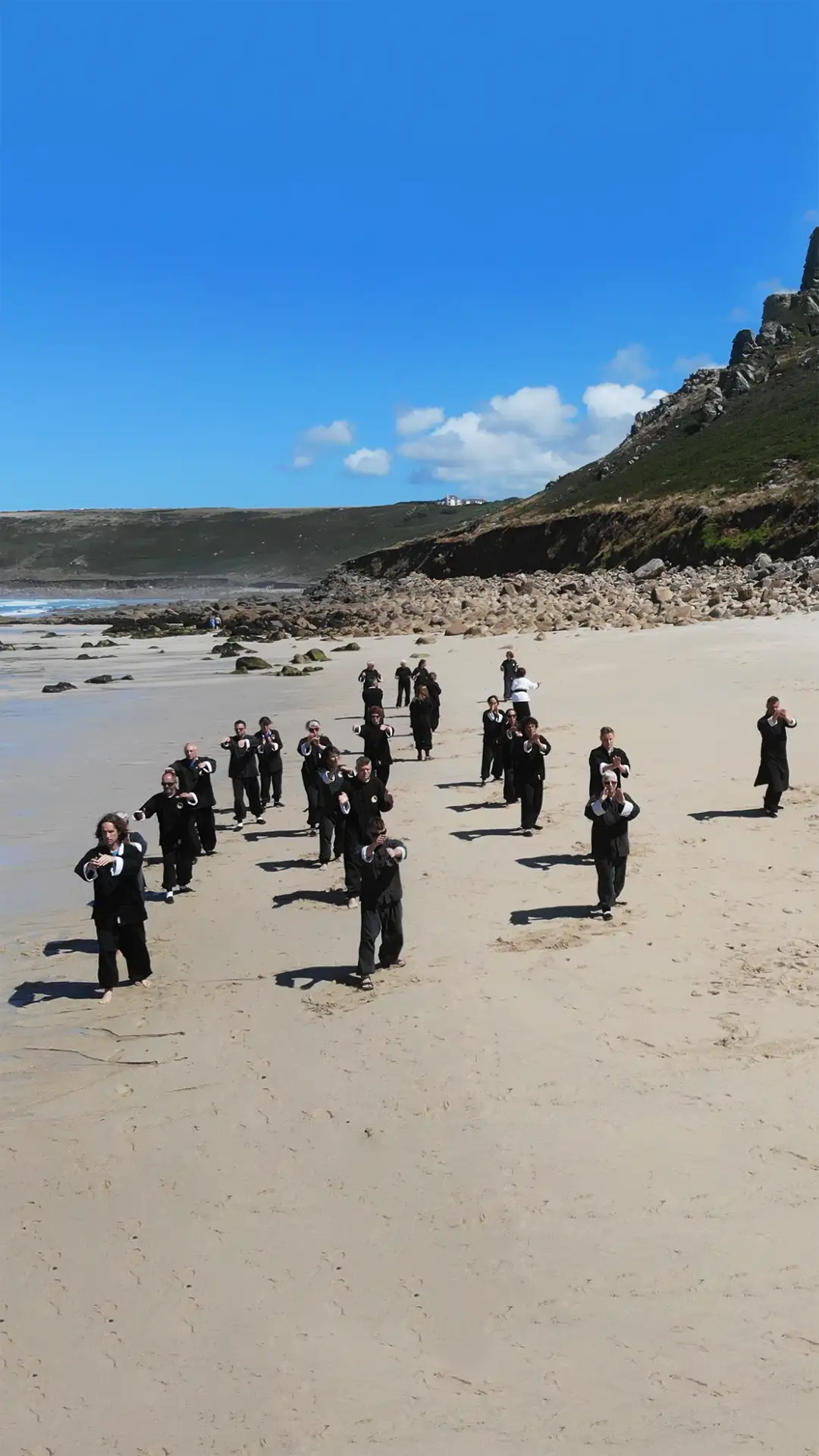
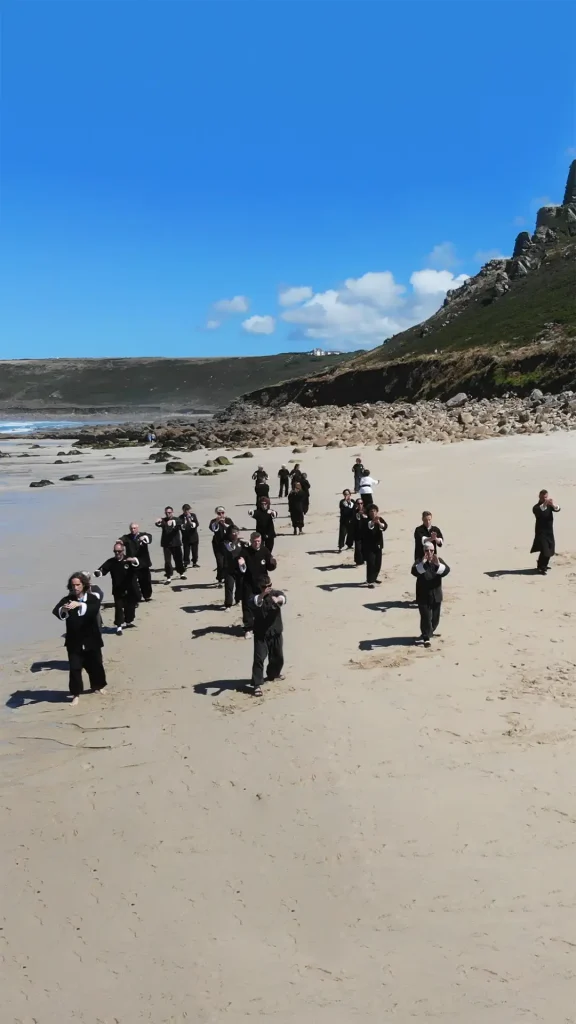
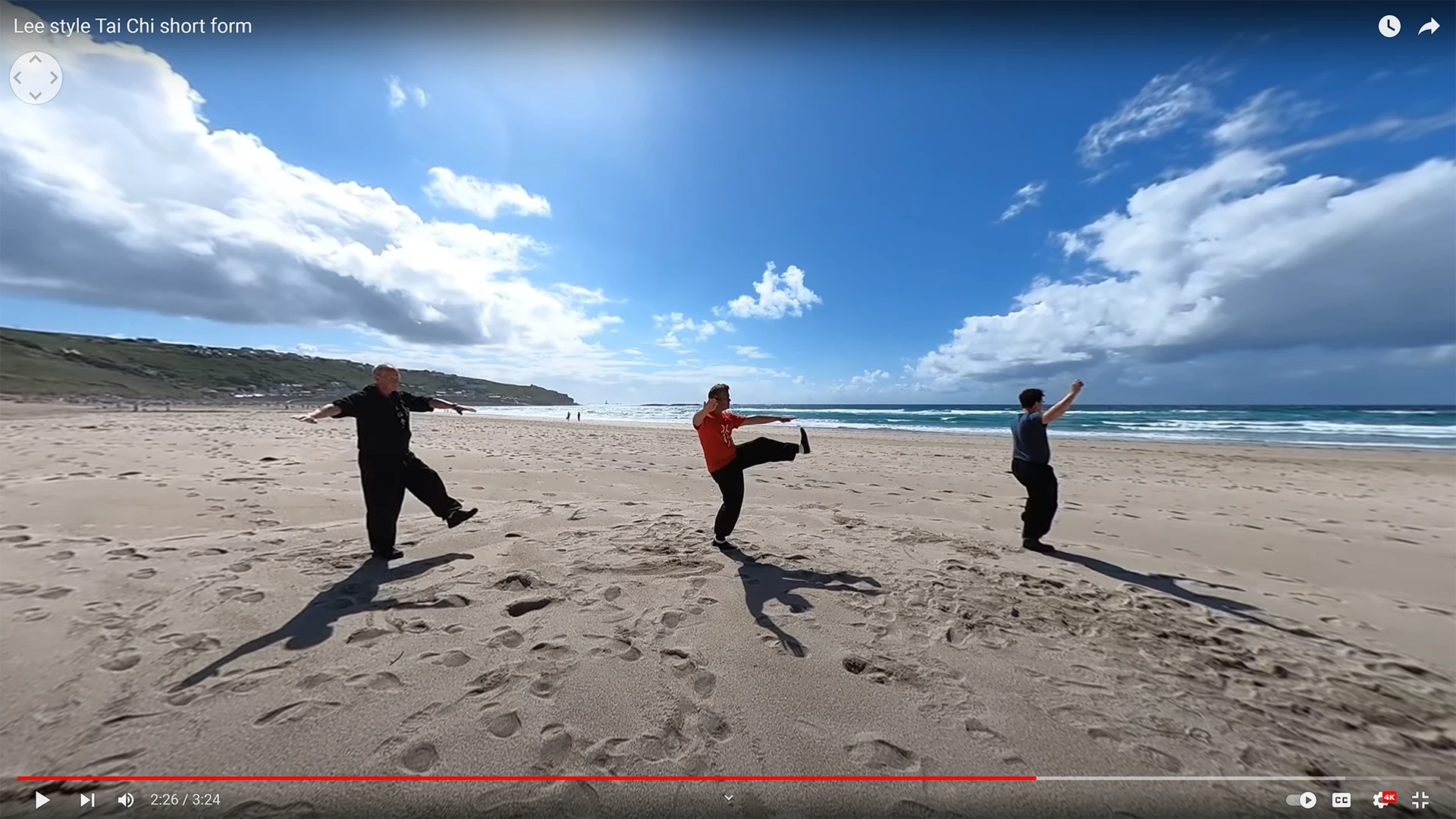
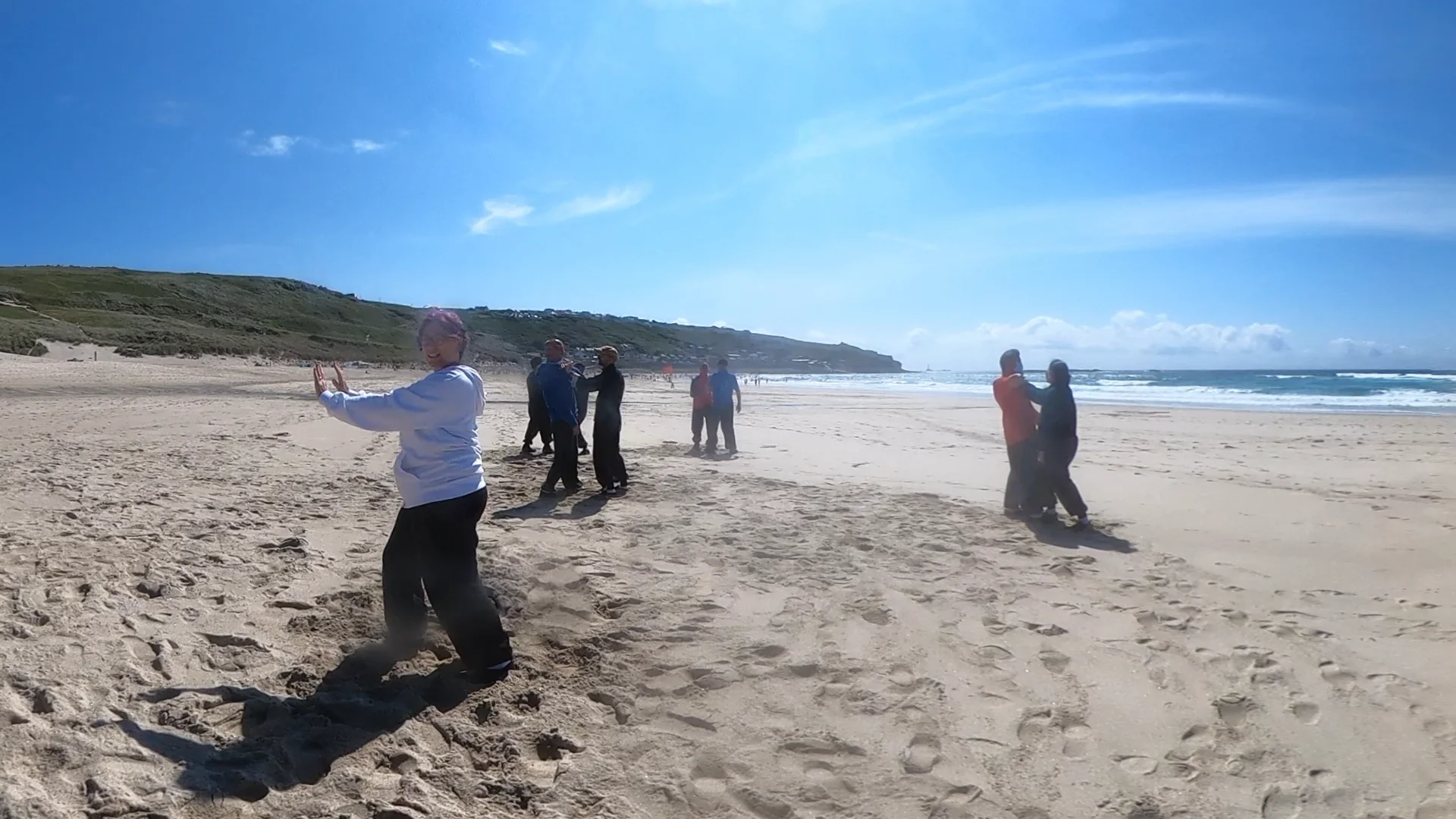
Tai Chi on the beach, a proven antidote for stress
In recent years, Tai Chi has become an increasingly popular form of exercise worldwide, and for good reason. This ancient Chinese practice has been shown to have numerous health benefits, including stress reduction and relaxation. In this blog post, we will explore the science behind these benefits and provide references to peer-reviewed studies from reputable sources in China, around the world, and in the UK.
What is Tai Chi?
Tai Chi, also known as Tai Chi Chuan, is a traditional Chinese martial art that involves slow, fluid movements and deep breathing. It was originally developed as a form of self-defense, but over time, it has evolved into a form of exercise that is practiced for health and wellness purposes. Tai Chi is often described as a moving meditation, as it requires focus and concentration to perform the movements correctly.
Tai Chi for Stress Reduction and Relaxation
Stress is a common problem in today’s fast-paced world. It can lead to a variety of physical and mental health problems, including anxiety, depression, and cardiovascular disease. Tai Chi has been shown to be an effective way to reduce stress and promote relaxation, making it a valuable tool for maintaining overall health and wellbeing.
One study conducted in China found that practicing Tai Chi for just 12 weeks resulted in significant reductions in perceived stress and improvements in overall mood among participants 1. Another study conducted in the UK found that Tai Chi was effective in reducing both state and trait anxiety in a group of healthy adults 2.
The calming effects of Tai Chi may be due in part to its focus on deep breathing and relaxation techniques. When we are stressed, our breathing becomes shallow and rapid, which can increase feelings of anxiety and tension. By practicing deep breathing and relaxation techniques, Tai Chi can help to counteract these effects and promote a sense of calm and relaxation.
Tai Chi for Physical Health
In addition to its mental health benefits, Tai Chi has also been shown to have numerous physical health benefits. Some of these benefits include improved balance and coordination, increased flexibility and range of motion, and reduced pain and inflammation.
Balance and Coordination
Falls are a common problem among older adults, and they can lead to serious injuries such as hip fractures. Tai Chi has been shown to be an effective way to improve balance and reduce the risk of falls in older adults. One study conducted in China found that a 12-week Tai Chi program resulted in significant improvements in balance and reduced the risk of falls among participants 3.
Flexibility and Range of Motion
Tai Chi involves slow, fluid movements that require a wide range of motion. This can help to improve flexibility and range of motion, which is especially important for older adults who may be at risk for mobility problems. One study conducted in the UK found that a 12-week Tai Chi program resulted in significant improvements in flexibility and range of motion among older adults 4
Pain and Inflammation
Tai Chi has been shown to be effective in reducing pain and inflammation in a variety of conditions, including osteoarthritis, fibromyalgia, and chronic low back pain. One study conducted in the US found that a 12-week Tai Chi program resulted in significant reductions in pain and stiffness among participants with knee osteoarthritis 5. Another study conducted in Australia found that a 10-week Tai Chi program resulted in significant reductions in pain and improved physical function among participants with fibromyalgia 6.
Conclusion
In conclusion, Tai Chi is a valuable tool for promoting both physical and mental health. Its slow, fluid movements and deep breathing techniques make it an effective way to reduce stress and promote relaxation. Additionally, Tai Chi has been shown to improve balance and coordination, increase flexibility and range of motion, and reduce pain and inflammation in a variety of conditions. If you are looking for a low-impact exercise that is beneficial for both your physical and mental health, Tai Chi may be a great option for you.
It’s important to note that while Tai Chi is generally considered safe for most people, it’s always a good idea to check with your doctor before starting a new exercise program, especially if you have any pre-existing health conditions or concerns.
References:
Wang F, Man JK, Lee EK, Wu T, Benson H, Fricchione GL, et al. The effects of tai chi on depression, anxiety, and psychological well-being: A systematic review and meta-analysis. Int J Behav Med. 2019;26(5):484-503.
Ng BMY, Tsang HWH, Jones AYM, So CT, Mok TYW. Functional and psychosocial effects of health qigong in patients with COPD: a randomized controlled trial. J Altern Complement Med. 2011;17(3):243-51.
Li JX, Hong Y, Chan KM. Tai chi: physiological characteristics and beneficial effects on health. Br J Sports Med. 2001;35(3):148-56.
Li F, Fisher KJ, Harmer P, Irbe D, Tearse RG, Weimer C. Tai chi and self-rated quality of sleep and daytime sleepiness in older adults: a randomized controlled trial. J Am Geriatr Soc. 2004;52(6):892-900.
Song R, Roberts BL, Lee EO, Lam P, Bae SC. A randomized study of the effects of t’ai chi on muscle strength, bone mineral density, and fear of falling in women with osteoarthritis. J Altern Complement Med. 2010;16(2):227-33.
Wang C, Schmid CH, Rones R, Kalish R, Yinh J, Goldenberg DL, et al. A randomized trial of tai chi for fibromyalgia. N Engl J Med. 2010;363(8):743-54.
Kai Men Qigong is a series of exercises in Lee-style Tai Chi that emphasizes the principles of Qi, the vital life force in Chinese medicine. In this blog post, we’ll explore what Qi is, how it’s related to Chinese medical principles, why qigong is popular as a health exercise, and how Kai Men Qigong specifically can benefit your health.
What is Qigong?
Qigong (pronounced “chee-gong”) is an ancient Chinese practice that focuses on cultivating the vital life force or Qi. It involves a series of exercises that are designed to enhance the flow of Qi through the body, promote relaxation, and improve overall health and well-being. Qigong exercises are often gentle and slow and can be performed by people of all ages and fitness levels.
What is Qi?
Qi is a fundamental concept in Chinese medicine that refers to the vital life force or energy that animates all living things. It is said to flow through channels or meridians in the body, nourishing the organs and tissues and keeping them healthy. According to Chinese medical principles such as the zangfu theory of internal organs and functions in ancient Chinese medicine, Qi is essential for maintaining health and preventing disease.
Why is Qigong Popular as a Health Exercise?
Qigong is popular as a health exercise because it can improve overall physical and mental well-being. Regular practice of qigong has been shown to reduce stress, improve balance, flexibility, and coordination, lower blood pressure, and strengthen the immune system. It can also be used as a complementary therapy for various medical conditions, including chronic pain, cancer, and cardiovascular disease.
How Does Qigong Work?
Qigong works by enhancing the flow of Qi through the body. This is achieved through a series of exercises that involve breathing techniques, movement, and visualization. Qigong exercises are designed to stimulate the flow of Qi through specific channels or meridians in the body, which can help to unblock any areas where the Qi is stagnant or deficient. This, in turn, can help to promote healing and overall well-being.
What is Kai Men?
Kai Men Qigong is a fundamental exercise in Lee-style Tai Chi that focuses on cultivating and enhancing the flow of Qi through the body. It is designed to help students develop sensitivity to Qi, improve relaxation, and promote overall health and well-being. Kai Men Qigong involves a series of exercises that are performed in a standing position and include breathing techniques, movement, and visualization.
The Benefits of Kai Men Qigong
Kai Men Qigong has many benefits for the body and mind. It can help to:
Enhance the flow of Qi through the body
Promote relaxation and reduce stress
Improve balance, coordination, and flexibility
Strengthen the immune system
Increase overall energy levels
Improve mental clarity and focus
In conclusion, Kai Men Qigong is a fundamental exercise in Lee-style Tai Chi that can benefit your overall health and well-being. Qigong as a practice can enhance the flow of Qi through the body, promote relaxation, and improve physical and mental health. It’s a popular exercise because it’s gentle and accessible to people of all ages and fitness levels. If you’re interested in learning more about qigong or trying out Kai Men for yourself, come and join our Lee-style Tai Chi class in Leamington.
Tai Chi is a martial art and exercise form that originated in ancient China that has become increasingly popular worldwide due to its numerous health benefits. It involves slow and gentle movements that promote the cultivation and circulation of Qi, the vital energy that flows within the body. This blog post will explore the practice of Tai Chi, its benefits, and its philosophy, focusing on the principles of ancient Chinese medicine and Taoist philosophy.
What is Tai Chi?
Tai Chi is a practice that emphasizes the integration of mind, body, and spirit. Its slow and gentle movements, performed in a continuous and fluid manner, stimulate the circulation of Qi, which nourishes the internal organs and promotes health and wellbeing. Tai Chi is based on the principles of Yin and Yang, which represent the complementary forces of the universe.
How does Tai Chi work?
Tai Chi works by regulating the flow of Qi and blood in the body. The slow and gentle movements stimulate the circulation of Qi and blood, which nourish the internal organs and promote health and well-being. Tai Chi also strengthens the muscles, tendons, and bones, improves posture and balance, and enhances flexibility and range of motion.
What are the benefits of learning Tai Chi?
Tai Chi has numerous health benefits, including reducing stress and anxiety, improving cardiovascular health, reducing chronic pain, and improving immune function. Tai Chi can also enhance mental clarity, emotional stability, and overall quality of life. Regular practice of Tai Chi can lead to a healthier and happier life.
Taoist Philosophy and Tai Chi
Tai Chi is deeply rooted in Taoist philosophy, which emphasizes the importance of balance, harmony, and naturalness. The concept of Wu Wei, or effortless action, is central to Tai Chi practice. By practicing Tai Chi, individuals learn to move with naturalness and ease, and to respond to their environment with fluidity and adaptability.
Qi in Tai Chi
In Tai Chi, Qi refers to the vital energy that flows within the body. Qi is considered the foundation of health and vitality in ancient Chinese medicine. Tai Chi promotes the cultivation and circulation of Qi through slow and gentle movements, leading to improved health and wellbeing.
Internal Arts of China
Tai Chi is considered an internal art because its practice emphasizes the cultivation of Qi and the integration of mind, body, and spirit. The internal arts of China are practices that focus on the cultivation of Qi, such as Tai Chi, Qigong, and Bagua. These practices promote health, vitality, and harmony within the body and mind.
In conclusion, Tai Chi is a holistic practice that promotes health and wellbeing through the cultivation and circulation of Qi. Its principles are deeply rooted in Taoist philosophy and the ancient Chinese medical tradition. By practicing Tai Chi, individuals can improve their physical, mental, and emotional health, leading to a happier and healthier life. If you are interested in learning Tai Chi, come and join us at the Leamington class.